


If your dentist has recently mentioned that you might need a dental crown, you’re far from alone. Dental crowns are one of the most common restorative procedures performed in dental offices across the country — and for good reason. They’re durable, natural-looking, and highly effective at preserving teeth that would otherwise be lost. Whether you’re wondering what a crown actually is, how the procedure works, or what to expect during recovery, this guide covers everything you need to know.
What Is a Dental Crown?
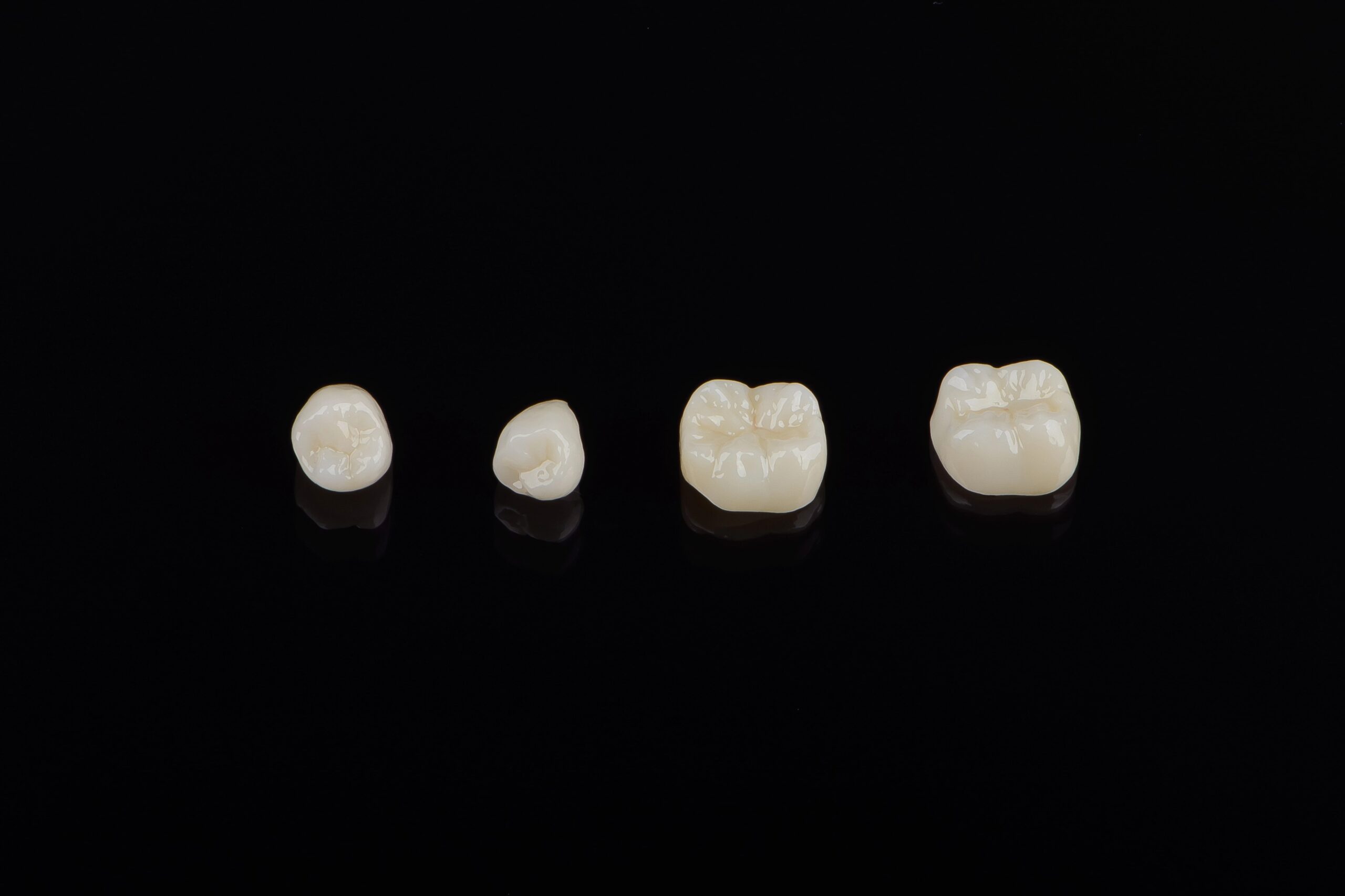
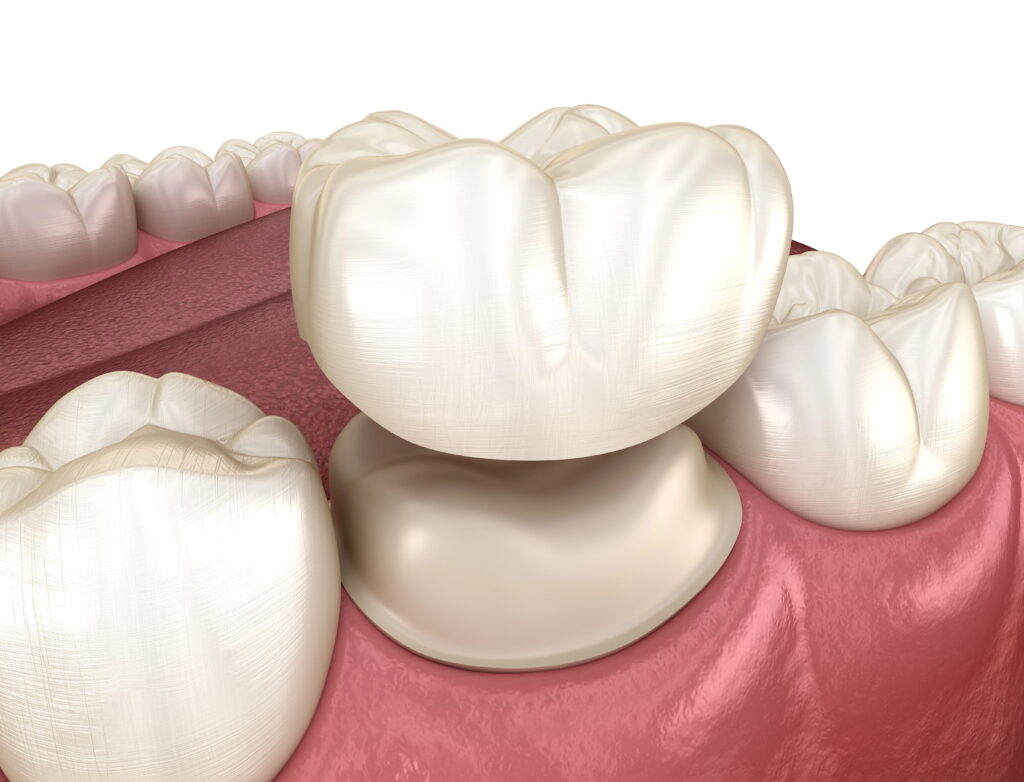
A dental crown is a cap that fits over a damaged or weakened tooth, restoring its shape, size, strength, and appearance. It fully encases the visible portion of the tooth above the gum line, functioning just like a natural tooth once it’s cemented in place. Crowns can be made from several materials, including porcelain, ceramic, metal alloys, or a combination of materials, depending on the location of the tooth and your aesthetic preferences. For a deeper dive, read our full blog post What Is a Dental Crown?
Curious about the physical look of a crown before committing to the procedure? Our blog post What a Dental Crown Looks Like walks you through the different materials and how each one blends with your natural smile.
How Does a Dental Crown Work?
A crown works by encapsulating your existing tooth structure and bonding securely to it. After the dentist prepares the tooth — typically by filing it down to create a stable base — an impression or digital scan is taken and sent to a dental lab, where the custom crown is fabricated. A temporary crown protects the tooth in the meantime. Once the permanent crown is ready, it’s cemented into place, becoming a lasting part of your bite and smile. You can learn more about the mechanics behind the restoration in our blog post How a Dental Crown Works.
At Keen Smiles, we also offer CEREC one-day crowns, which are immediately constructed in-office, allowing you to avoid the hassle of a temporary crown and multiple appointments.
When Should You Get a Dental Crown?
Not every damaged tooth requires a crown, but there are several situations in which a crown is the best — and sometimes only — option. Common reasons include a tooth that has been severely decayed, cracked, or broken; a tooth that has undergone a root canal and needs protection; or a tooth that’s structurally too weak to support a large filling on its own. Crowns are also used to anchor dental bridges and to cover dental implants. If you’re unsure whether your situation warrants one, our blog post When to Get a Dental Crown covers the most common clinical indicators.
What Happens During the Dental Crown Procedure?
Most dental crown placements require two appointments. During the first visit, your dentist numbs the area, reshapes the tooth, and takes impressions. You’ll leave with a temporary crown while the permanent one is custom-made. At the second appointment — typically one to two weeks later — the temporary crown is removed, and the permanent crown is adjusted for fit and bite before being permanently cemented. For a step-by-step walkthrough, visit our post on Your Dental Crown Procedure.
But remember, that hassle isn’t always necessary! At Keen Smiles, our CEREC crowns can be fabricated immediately, so your dentist can finish the entire process in one appointment. Easy-peasy.
Crowns vs. Veneers: What’s the Difference?
Patients interested in improving the appearance of their teeth often wonder whether a crown or a veneer is the better choice. While both are custom-crafted restorations designed to enhance your smile, they serve different purposes. Veneers are thin shells bonded only to the front surface of a tooth. They’re primarily cosmetic. Crowns, on the other hand, cover the entire tooth and are used when structural integrity is a concern. Neither option is inherently “better”; the right choice depends entirely on your dental health and goals. Our blog post The Difference Between Crowns and Veneers can help you weigh the two.
How Long Do Dental Crowns Last?
With proper care, dental crowns typically last between 10 and 30 years. The lifespan depends on a few factors: the material used, your oral hygiene habits, and whether you grind your teeth at night. Porcelain crowns can chip over time, while metal crowns tend to be more durable but less aesthetically desirable for front teeth.Regardless of material, brushing twice daily, flossing around the crown, and scheduling regular dental checkups are all essential to maximizing your crown’s lifespan.
Get the full picture in our dedicated blog post How Long Do Dental Crowns Last?
What If Your Dental Crown Falls Out?
It doesn’t happen often, but dental crowns can occasionally come loose or fall out entirely — especially older crowns or ones that were placed over teeth with minimal remaining structure. If this happens to you, don’t panic. In most cases, you can temporarily reattach the crown with dental cement from a pharmacy until you can get to your dentist. Avoid chewing on that side of your mouth, and call your dental office as soon as possible. Our blog post What to Do If Your Dental Crown Fell Out has all the steps you need to take.
Healing After a Crown or Bridge
Some sensitivity and mild soreness after crown placement is completely normal, especially in the first few days. Your bite may feel slightly off, and hot or cold temperatures might cause brief discomfort while your tooth adjusts. Typically, symptoms subside within one to two weeks. If pain persists or worsens, contact your dentist — it may be a sign that the bite needs adjustment or that there’s an underlying issue. Read our full blog post How to Ensure Proper Healing After a Crown or Bridge to set yourself up for a smooth recovery.
Crowns and Dental Implants: Working Together
One of the most common uses of a dental crown is as the visible portion of a dental implant.
When a tooth is missing entirely, an implant post is surgically placed into the jawbone, and a crown is attached on top to mimic the look and function of a natural tooth. If you’re weighing your options for a missing tooth, our blog post on The Best Options to Replace a Missing Tooth compares implants, bridges, and dentures side by side. And if you’d like to understand the full journey, our blog post What Happens During the Dental Implant Process covers everything from initial consultation to final crown placement.
Ready to Restore Your Smile?
Dental crowns are one of the most reliable tools in modern restorative dentistry, protecting vulnerable teeth and restoring confident smiles every day. Whether you need a crown following a root canal, have a severely cracked molar, or are finishing an implant restoration, the team at Keen Smiles Dental Studio is here to guide you every step of the way.
If you’re looking for an experienced, reliable, and friendly dentist in or near Springfield, Missouri, contact Keen Smiles. Our team will give you the personalized treatment you deserve using state-of-the-art technology. Schedule your first appointment today by calling 417-708-0556 or requesting an appointment online. We look forward to hearing from you!