

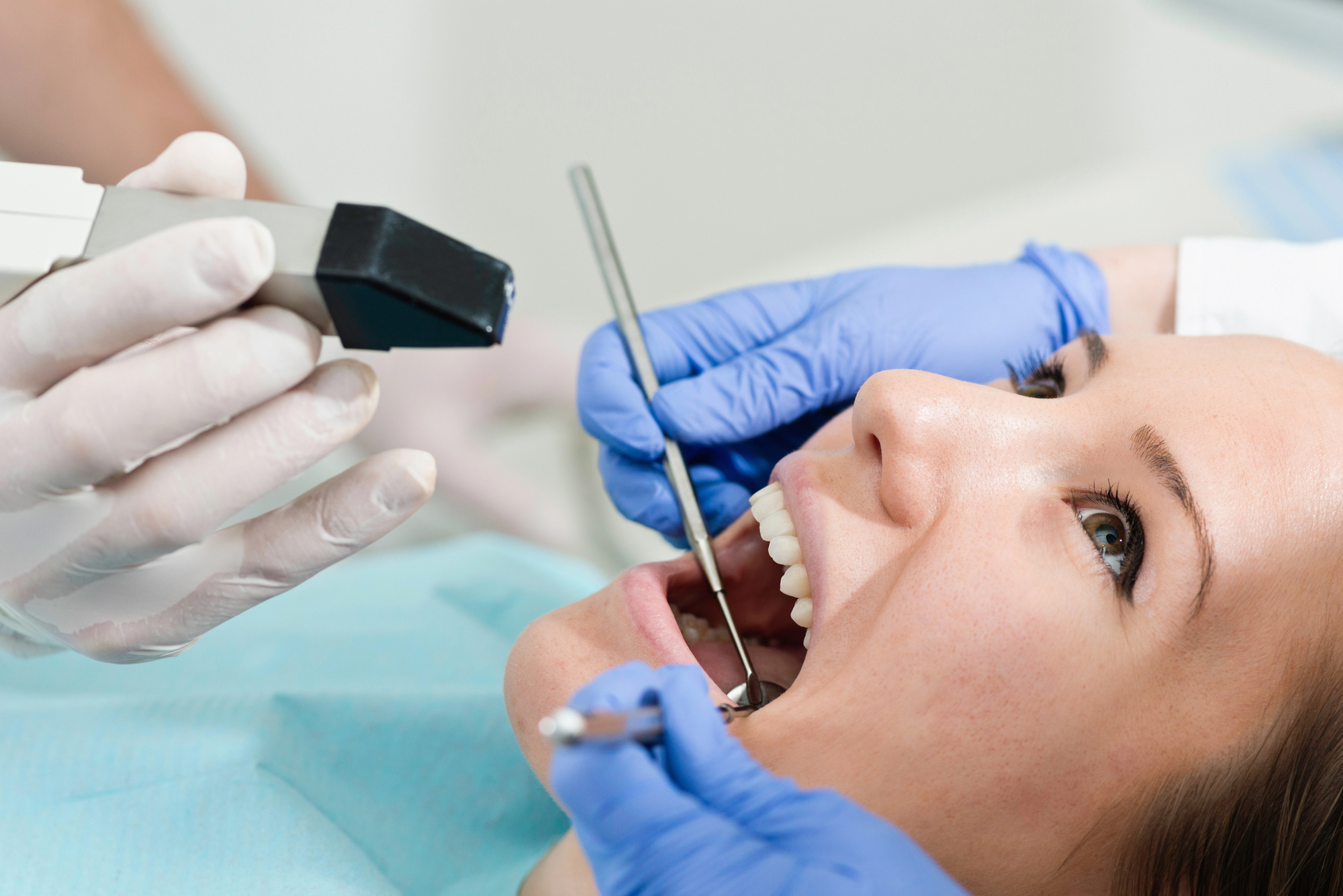
What is Intraoral Photography
Intraoral cameras are small, pen-shaped devices that our team at Keen Smiles may use to get a closer look at your oral health. These tiny cameras capture digital images of your teeth and gums, giving the doctor a better view of your mouth, with angles that are hard to see with the naked eye. We can instantly see the images from the intraoral camera on a screen in the treatment room, which allows us to discuss the images immediately. We can also use the images to help you understand why we recommend certain treatments.
Using intraoral photography, we can almost instantly detect a variety of oral health issues and non-issues, including the following:
- Tooth decay and cavities
- Spots of gingivitis
- Gum disease
- Enamel texture and cracks
- Tooth and gum abnormalities
- Healthy areas of the mouth
Unlike digital dental X-rays, intraoral photography is not necessary for all patients and it is not needed at every check-up. If we decide to take photos of your mouth, a dental hygienist will be happy to explain why intraoral photography is the right choice for your oral health. Ask as many questions as you like!
How It Works
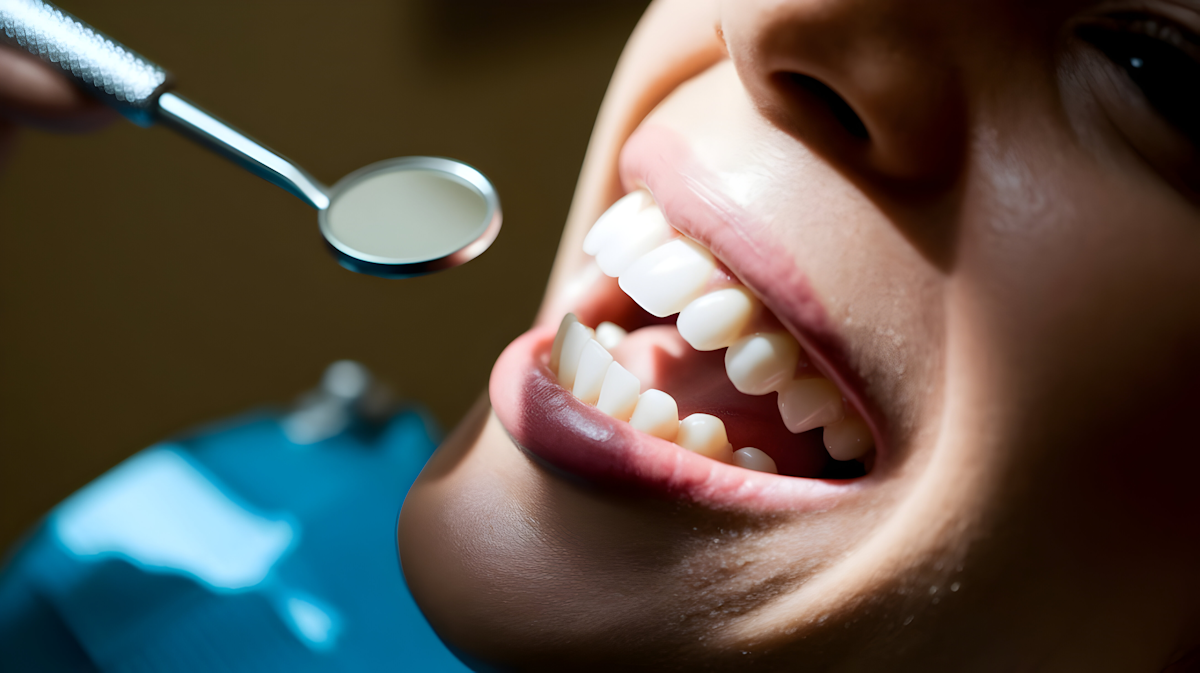
Although intraoral cameras are much smaller than regular cameras, they work in the same way. We may ask you to hold certain positions so that we can capture a great shot with sufficient lighting and an appropriate angle. Sometimes we will use retractors, mirrors, and other devices to pull away your gums and soft tissue, fully exposing the teeth. The process is quick, safe, and easy.
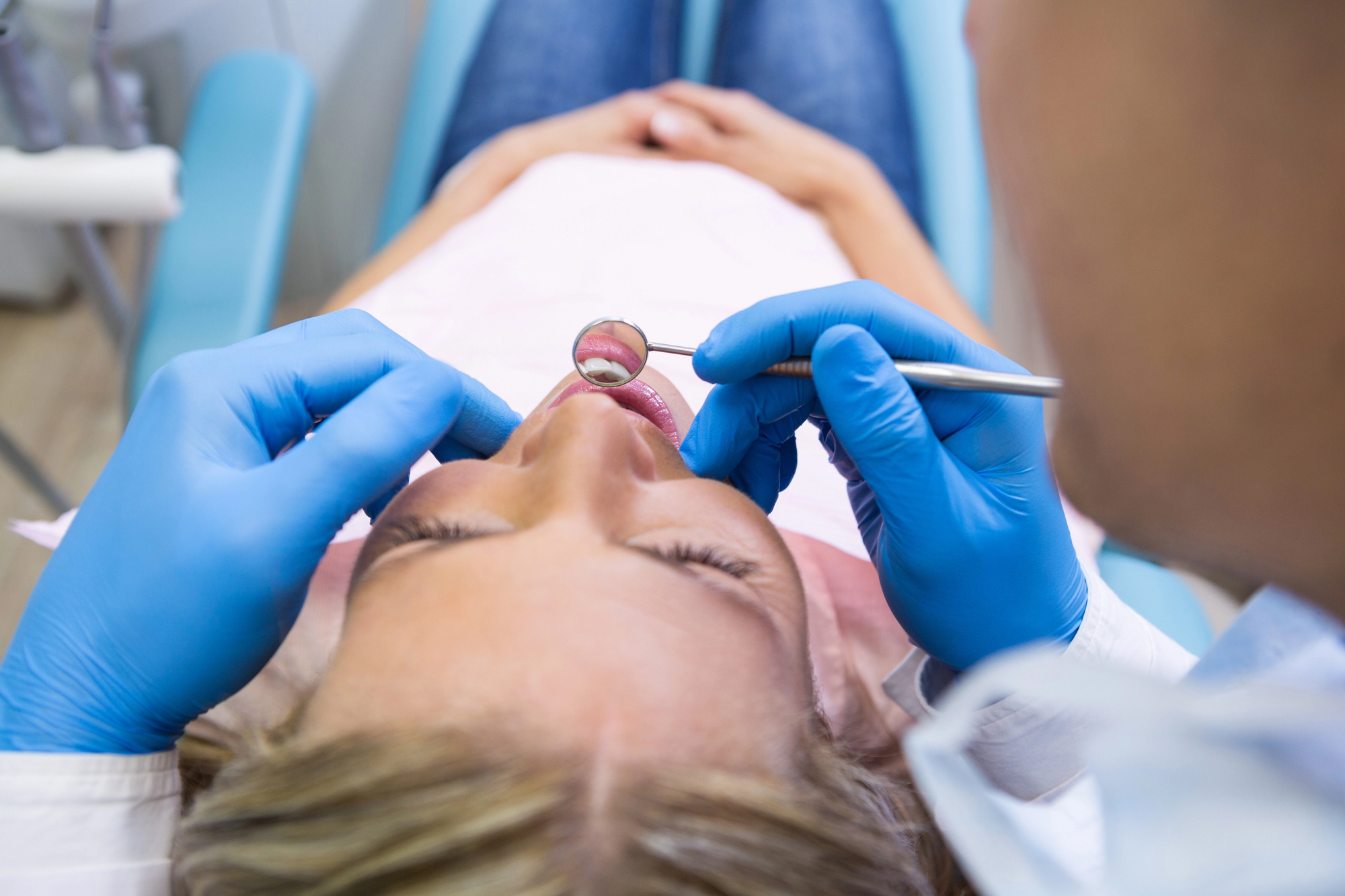
The Benefits of Intraoral Photography
Unlike X-rays, pictures captured through intraoral photography are easy for everyone to understand because they mimic what we see naturally with our own two eyes. They make it easier for the doctor to explain any current oral health issues and treatments with patients.
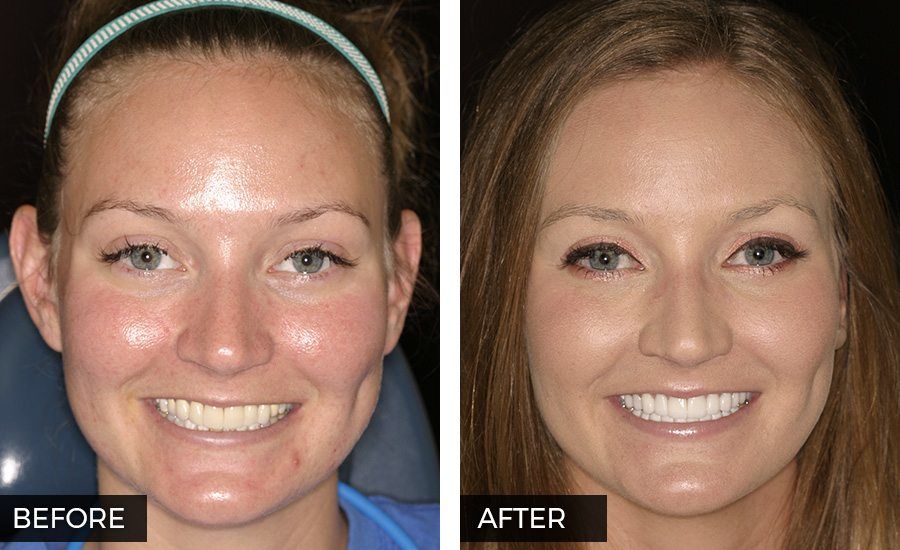
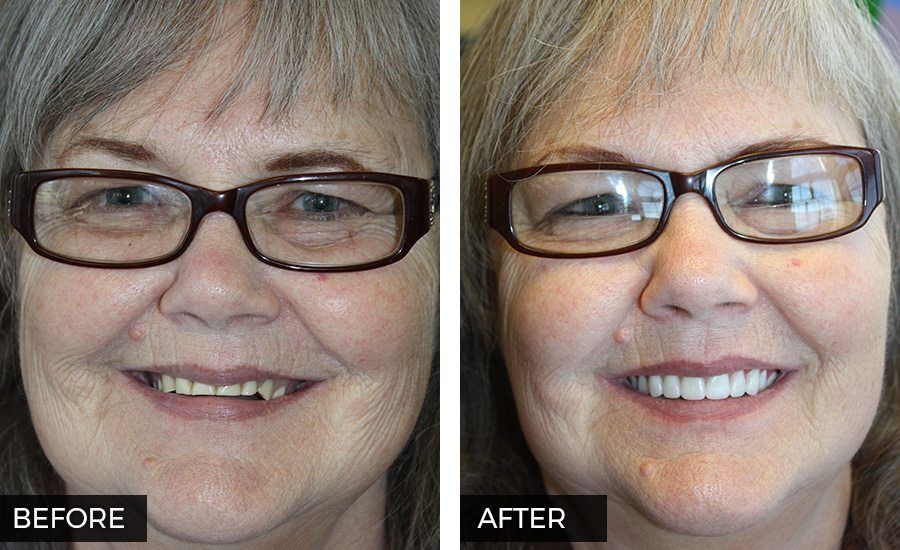
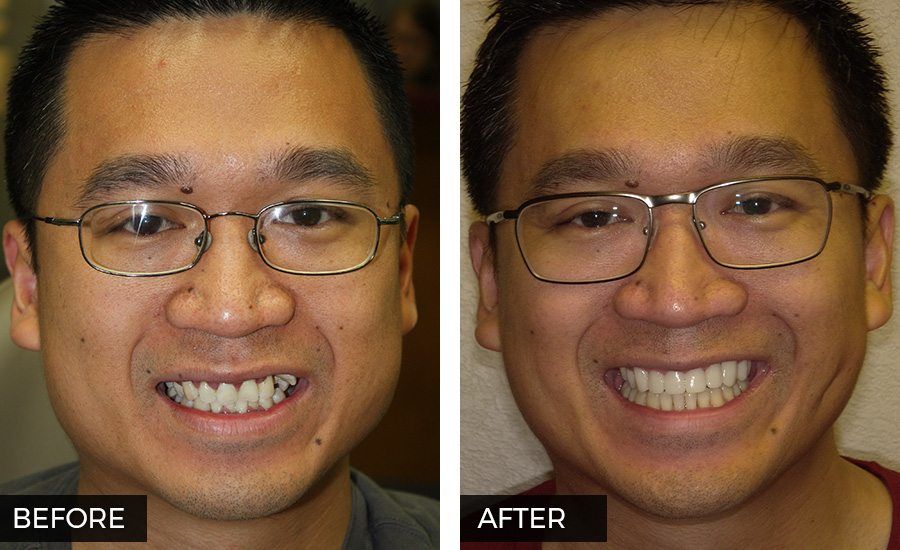
Intraoral photography can be shared with other dentists, healthcare professionals, and insurance agencies if necessary. The images are helpful as documentation, so that we can see the progress or the decline of your oral health over time. In addition, they’re useful for capturing before and after shots during a cosmetic dentistry treatment, especially when used alongside extraoral photography (images captured outside the mouth, such as profile pictures, close-ups, and snapshots of your beautiful smile).