

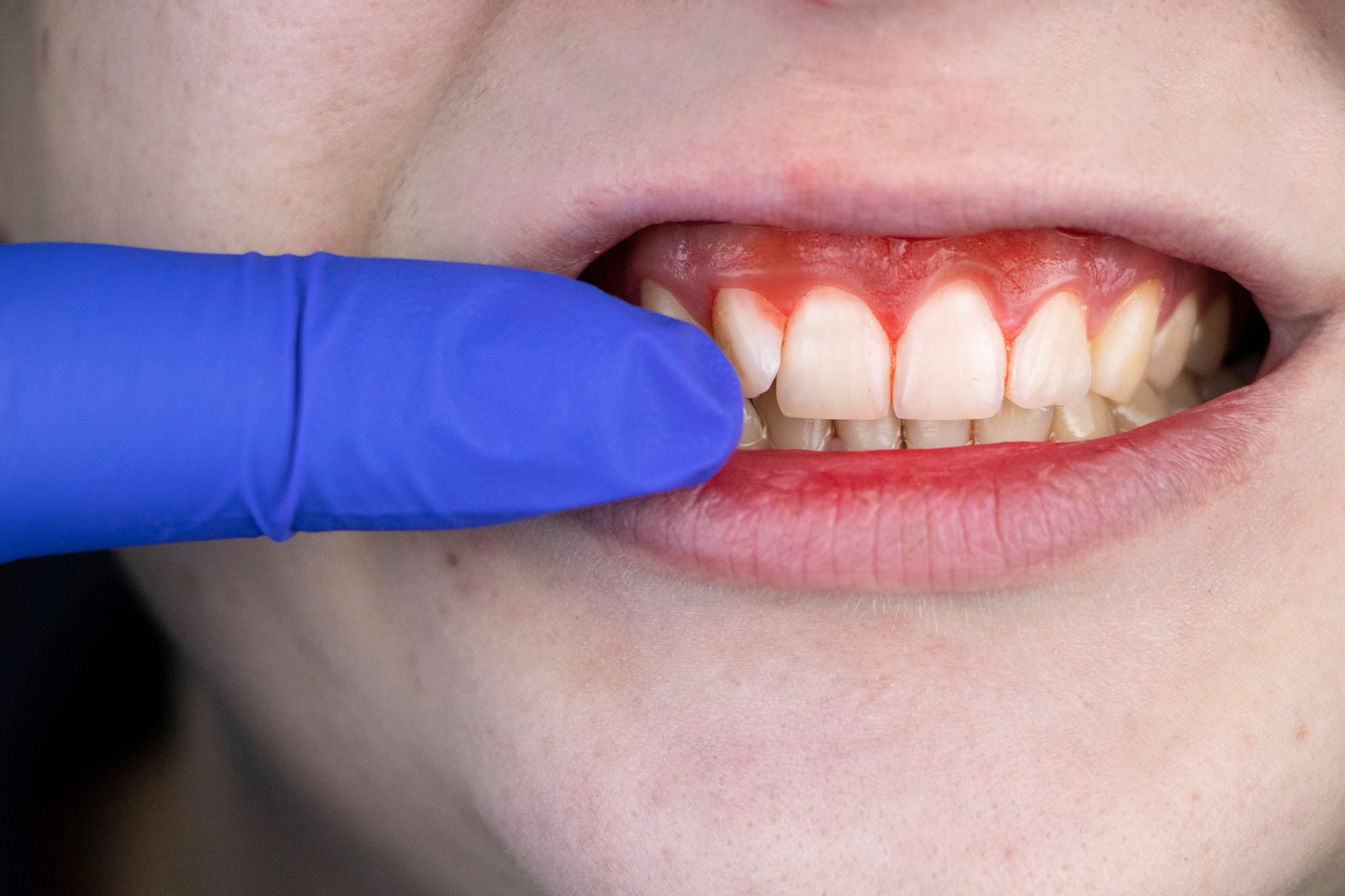
Gum Disease Treatments
We treat gum disease in several different ways depending on how far it has progressed.
If you’re in the earliest stage of gum disease, also known as gingivitis, you may be able to reverse it through regular dental appointments and a consistent at-home oral hygiene routine. At our office, a hygienist will remove plaque and tartar buildup from your teeth during biannual cleanings, and your dentist will keep an eye on your progress. At home, you’ll need to brush twice a day, floss once per day, maintain a healthy diet, and quit smoking if you do so already.
When gum disease progresses beyond gingivitis, a solid oral hygiene routine is still absolutely crucial. However, you may also need more extensive treatments. These will vary based on the stage of periodontitis and the symptoms you’re experiencing. Your dentist may recommend one or more of the following gum disease treatments:
- Dental Scaling — More comprehensive than a typical cleaning, dental scaling removes bacteria, plaque, and tartar from above and below the gum line using a piezo scaler. This sanitizes the gums and reduces inflammation.
- Root Planing — Often paired with scaling, root planing gently smooths out your tooth roots to encourage your gums to reattach to your teeth. It eliminates gum pockets and prevents bacteria from accumulating.
- Guided Tissue Regeneration — When periodontitis leads to gum recession and bone loss, guided tissue regeneration may be recommended to help restore healthy tissue.
- Flap Surgery — If you have advanced periodontitis, you may need flap surgery, also known as pocket reduction surgery. During this procedure, the gums are lifted back to remove deep tartar buildup and then repositioned to reduce the depth of the pockets and improve the healing process.
- Gum Grafting — If your gums have receded due to periodontitis, your dentist may recommend grafting. Tissue is taken from another area, such as the roof of the mouth, and grafted onto the affected areas.
- Bone Grafting — In extreme cases involving jawbone loss, bone grafting can regenerate lost bone and support the teeth.
- Chlorhexidine — This medicated, antiseptic solution may be applied to irrigate your gingival pockets and promote faster healing. Chlorhexidine kills bacteria, reduces plaque buildup, and prevents inflammation.
- Fluoride — Fluoride may be used during gum disease therapy to help your mouth heal more quickly. It strengthens the enamel by encouraging remineralization and prevents tooth decay.
Our team works hard to make these treatments as comfortable and quick as possible. We may employ a local anesthetic to ensure you don’t experience any pain. If you have any questions or concerns about what you can expect before, during, or after gum disease therapy, please let us know.
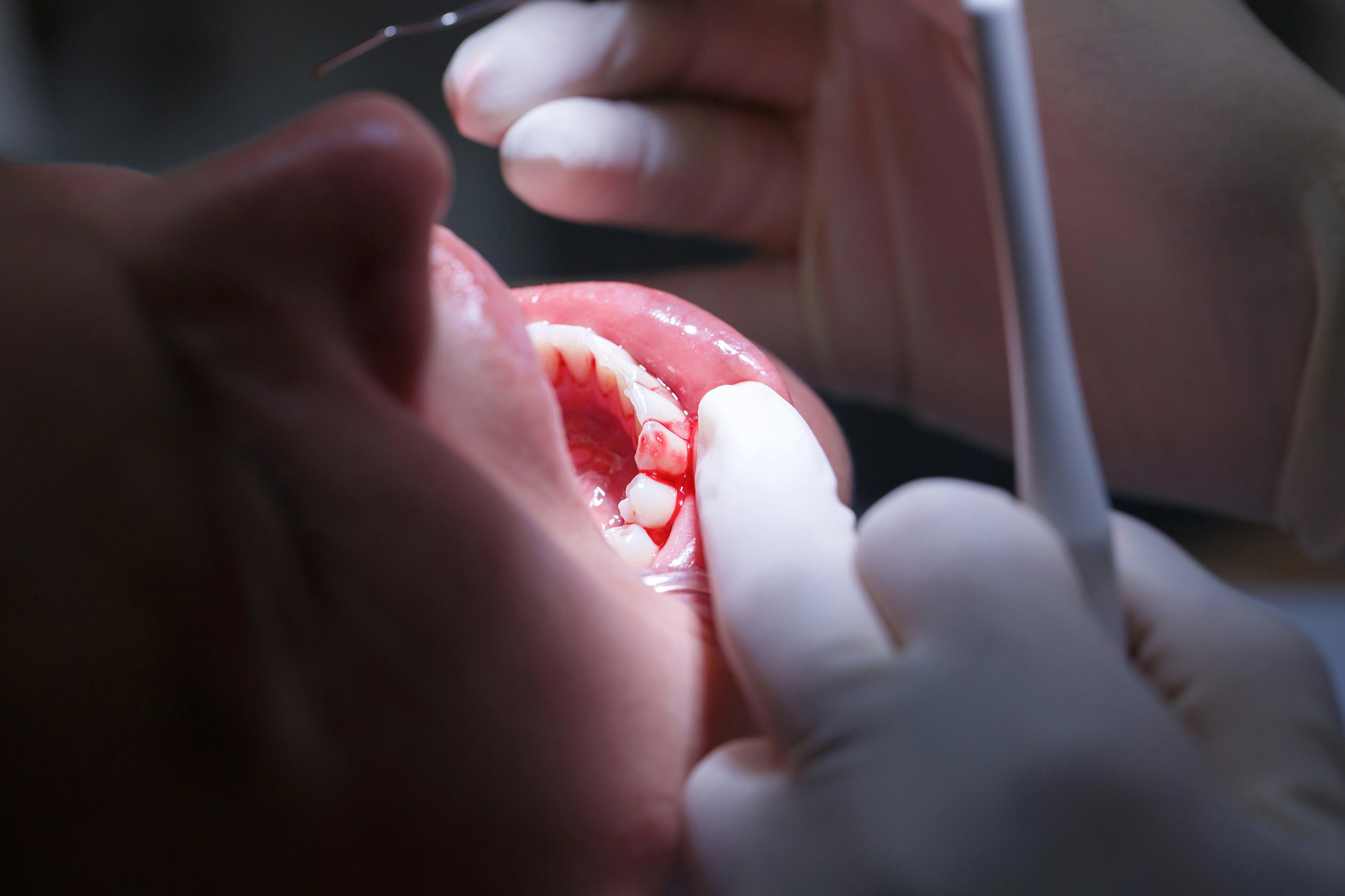
Symptoms of Gum Disease
Wondering if you have gum disease? The easiest way to find out is to schedule a check-up. However, you can also keep an eye out for common symptoms. They vary depending on how far the disease has progressed:
Early Gum Disease (also known as Gingivitis)
- Red gums
- Swollen, tender, or sensitive gums
- Bleeding gums, especially when brushing or flossing
- Persistent bad breath
- Receding gums
Mild to Moderate Gum Disease
- Dark red or purple gums
- Increased gum sensitivity
- Unpleasant taste in the mouth
- Pockets in the gums (spaces or openings between the gums and teeth)
- Discomfort when eating or brushing your teeth
Advanced Gum Disease
- Loose or shifting teeth
- Pain when eating or brushing your teeth
- Pus between the teeth and gums
- Jawbone deterioration
- Tooth loss
If you notice any of these symptoms, whether they’re signs of gingivitis or advanced periodontitis, it’s essential that you schedule an appointment and begin gum disease therapy right away. The earlier you seek treatment, the more likely it is that you’ll be able to stop the disease from progressing and prevent severe complications. Plus, because the bacteria responsible for gum disease can enter the bloodstream and increase your risk of other health conditions, including heart disease, you can prevent widespread inflammation and health risks by prioritizing your oral health.