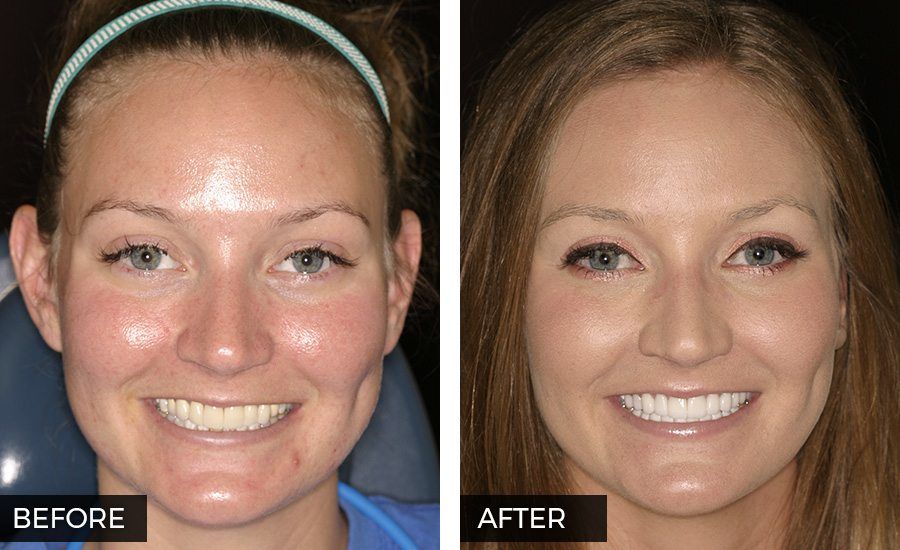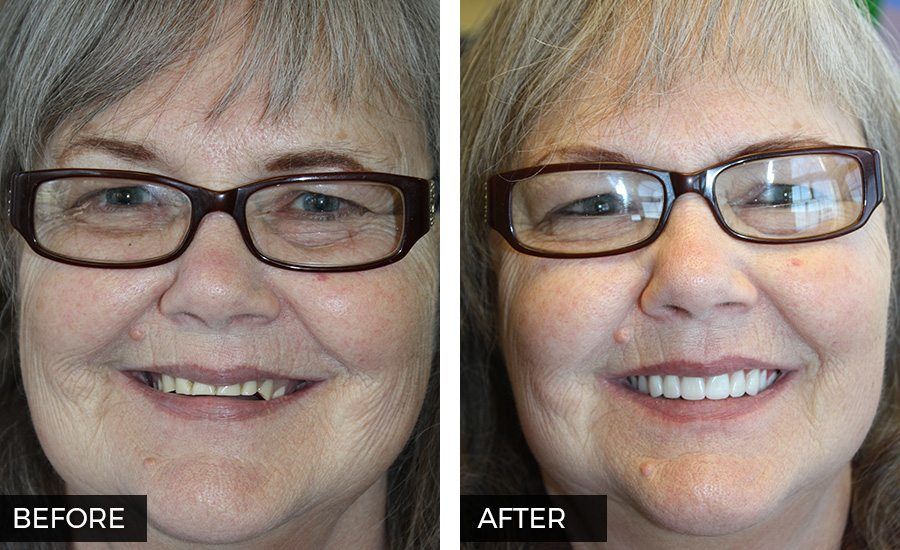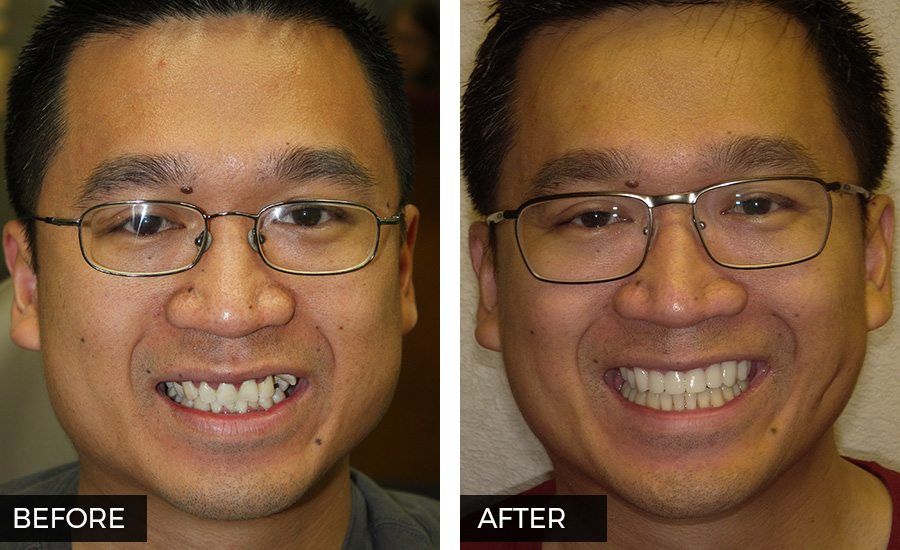
Why Choose Dental Implants?
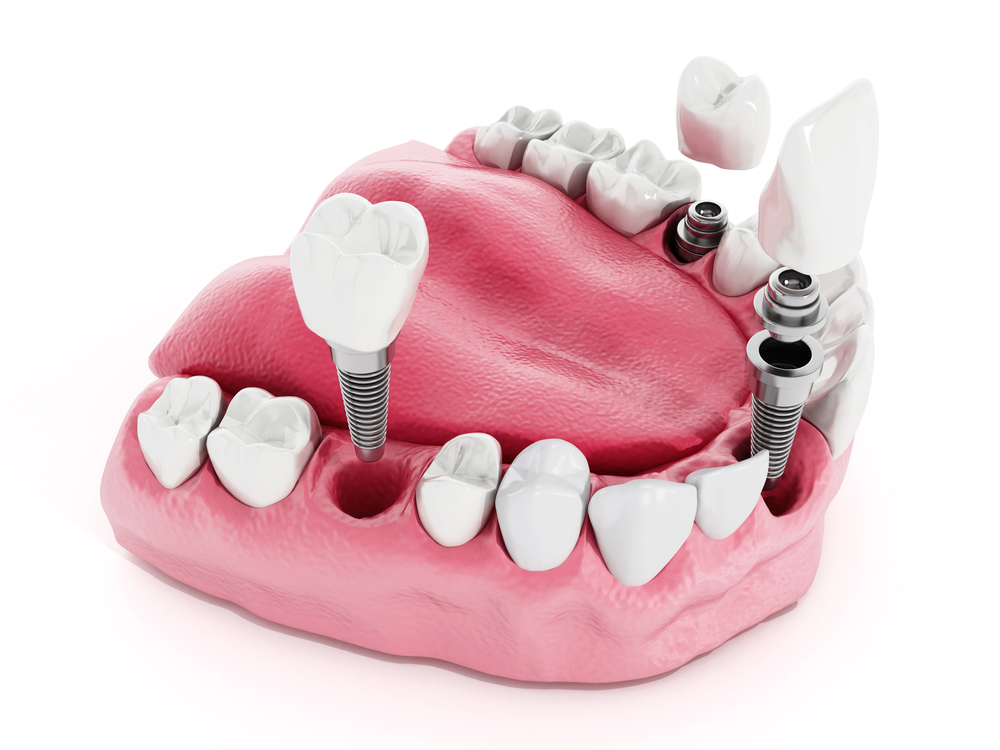
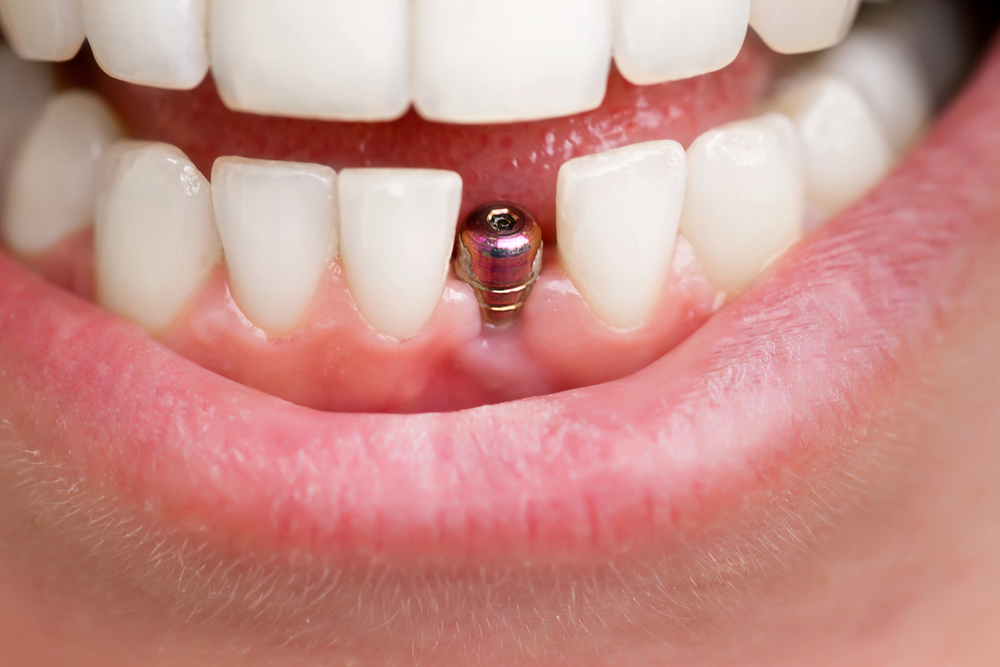
An implant is a small titanium post that fuses with your jawbone and supports a custom crown, bridge, or denture. Because it is anchored in bone, it offers advantages other tooth replacements can’t:
- Eat what you love. Implants restore most of your chewing strength, so you can enjoy tough and crunchy foods again.
- Speak clearly. Nothing slips or clicks, which helps with speech problems caused by missing teeth or loose dentures.
- Protect your other teeth. Unlike a traditional bridge, an implant doesn’t require reshaping the healthy teeth beside it.
- Preserve your jawbone. After a tooth is lost, the bone underneath begins to shrink. An implant helps keep it strong and maintains the shape of your face.
- Smile with confidence. Implants look natural, with no metal clasps or plastic covering the roof of your mouth.
- Last for decades. With good care, the implant itself can last a lifetime. The crown on top may need replacing after many years of wear.
Which Dental Implant Option Is Right for You?
The right option depends on how many teeth you’re missing and the health of your gums and jawbone. We’ll walk you through each one at your consultation.
Replacing One Tooth
A single implant topped with a custom crown fills the gap without touching the teeth on either side. It’s the closest thing to getting your natural tooth back.
Replacing Several Teeth
When several teeth in a row are missing, two implants can support an implant bridge that spans the gap. You get several replacement teeth without needing an implant for each one and without grinding down healthy neighboring teeth.
Replacing All Your Teeth
Implants can anchor a full denture so it stays firmly in place while you eat and talk. Implant-supported dentures snap onto implants placed in the jaw, preventing the slipping and sore spots that can come with traditional dentures.
Are You a Good Candidate for Dental Implants?
Most adults who are missing one or more teeth can get dental implants. You’re likely a good candidate if you:
- Have healthy gums
- Have enough jawbone to support an implant, or are willing to have a bone graft first
- Are in good general health
- Don’t smoke, or are willing to quit during healing
Some conditions call for extra steps or a different approach:
- Gum disease needs to be treated first, because healthy gums are essential to a lasting implant. Our gum disease therapy can clear up the infection before your implant is placed.
- Bone loss may require a bone graft before the implant is placed.
- Smoking, uncontrolled diabetes, and teeth grinding can slow healing or put extra stress on an implant.
- Teens usually need to wait until their jaw has finished growing.
- Pregnant patients usually wait until after the baby arrives, since implant surgery is elective.
If implants aren’t the right fit, a bridge or dentures can still restore your smile.
How Does the Dental Implant Process Work?
Getting a dental implant happens in stages, with healing time between each one. From start to finish, the process usually takes several months, or longer if you need a bone graft.
- Consultation and planning. We examine your mouth, take digital X-rays, and talk through your options, timeline, and cost.
- Preparing the jaw, if needed. If a damaged tooth needs to come out, we remove it first. If the jawbone is too thin or soft, a bone graft builds it up. The graft needs a few months to heal before an implant can go in.
- Placing the implant. After numbing the area, we make a small opening in the gum and place the titanium post in the bone. A temporary tooth or partial denture can fill the gap while you heal.
- Healing and bone growth. Over the next four to six months, your jawbone grows around the implant and locks it in place. This step gives the implant the strength to handle the pressure of chewing.
- Attaching the abutment. A small connector, called an abutment, is attached to the implant to hold your new tooth. This sometimes requires a minor procedure to reopen the gum, which heals in about two weeks.
- Placing your new tooth. We take scans or impressions to design a custom crown, bridge, or denture that matches your smile, then attach it to the abutment.
What Is Recovery Like After Dental Implant Surgery?
Most people are back to light, everyday activities the same day. Here’s what to expect and how to heal well.
The First Few Days
- Bleeding: While most patients experience no bleeding, light bleeding can occur for 24 to 72 hours. If it gets heavier, bite on clean, damp gauze for 30 to 45 minutes.
- Swelling: Typically patients experience minimal to no swelling. However, if swelling occurs, it usually peaks around day two and fades within four to six days. Use an ice pack, 15 minutes on and 15 minutes off, on the first day, then switch to a warm compress.
- Discomfort: While implants typically don’t require prescription medication, you can take over-the-counter pain medication as directed.
- Rest: Avoid strenuous activity for a couple of days and keep your head raised the first night.
What to Eat
Start with liquids and soft foods like soup, smoothies, mashed potatoes, and scrambled eggs. Until your implant has fully fused with the bone, avoid hard, crunchy, sticky, and spicy foods, such as nuts, chips, ice, steak, and caramel. Most patients can eat normally again within a few months.
When to Call Us
Call our office at 417-882-8222 if you have bleeding that won’t stop with pressure, a fever, pain or swelling that gets worse after the third day, nausea, or a rash.
Caring for Your Implant Long Term
Once you’ve healed, care for your implant like a natural tooth: brush twice a day, floss or use a water flosser once a day, and keep up with your regular cleanings and exams. An implant can’t get a cavity, but the gums around it can still become infected, so daily cleaning and checkups are what keep it healthy for decades.
Dental Implant FAQs
How much you’ll pay depends on how many teeth you’re replacing, whether you need a bone graft, whether you have dental insurance, and the type of restoration, from a single crown to a full denture. While dental implants can range from $3,000 to $6,000 per implant, many dental insurance plans cover part of the total cost. We offer a complimentary bone density scan and implant consultation, during which we’ll review your benefits and give you a written estimate before treatment begins. See our financial options for ways to make treatment more affordable.
Most patients complete treatment in several months. The implant needs time to fuse with your jawbone before the final tooth is attached. A bone graft can add a few more months.
Most patients say getting an implant is easier than they expected and also easier than dealing with a missing tooth. The area is fully numbed with local anesthesia, so you’ll feel pressure but not pain during the procedure. Mild to moderate soreness for a few days afterward is normal and can usually be managed with over-the-counter or prescribed pain relievers.
Implants require minor surgery, take longer than a bridge or denture, and cost more up front. They also need healthy gums and enough jawbone. For many patients, the long lifespan and natural feel make the investment worthwhile.
Dental implants are designed to be a long-term solution. Once the titanium post fuses with your jawbone, it can stay in place for the rest of your life, as long as you brush, floss, and keep up with regular checkups. The crown, bridge, or denture attached to it handles the daily wear of chewing, so it may eventually need to be replaced. The implant underneath usually stays put.