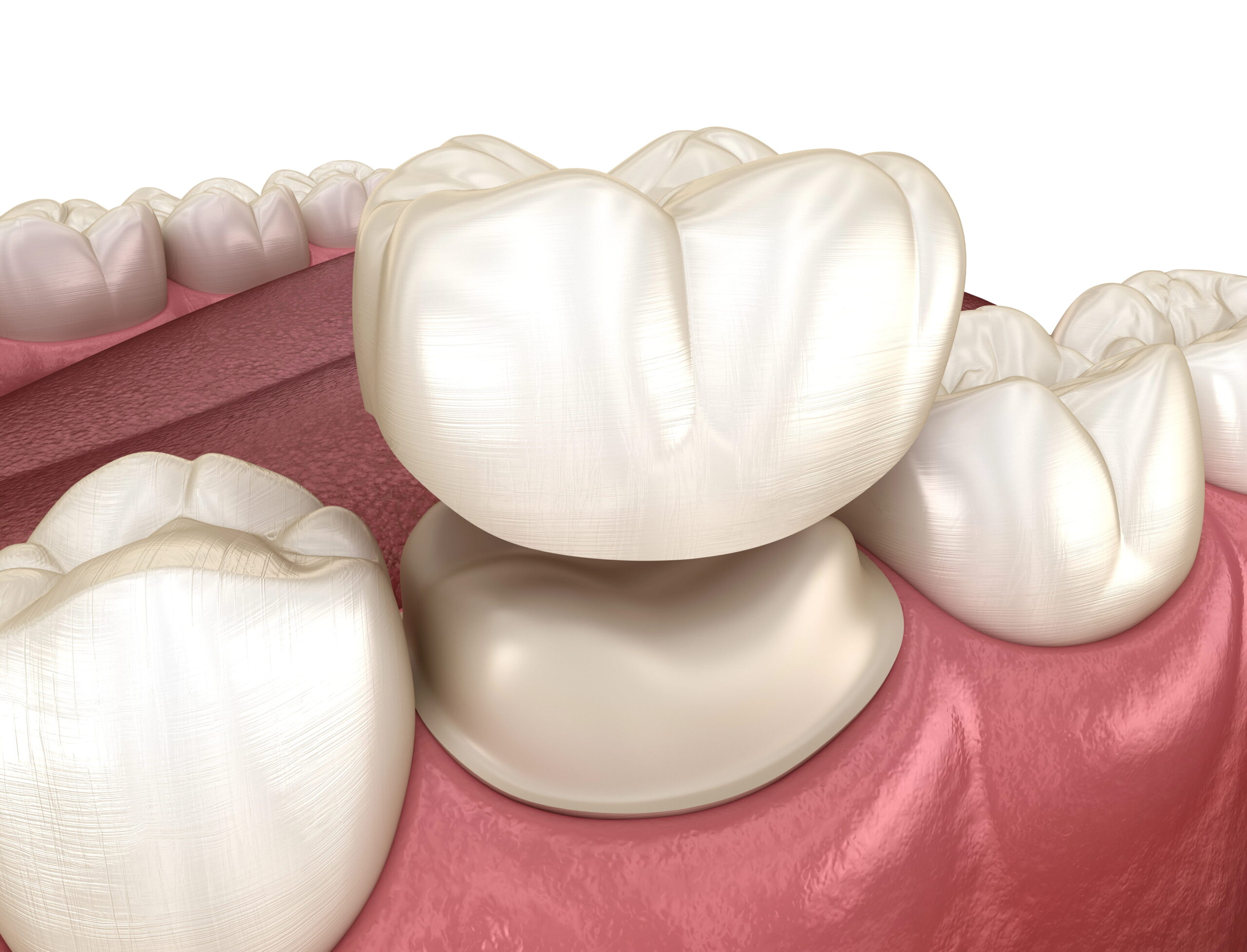



Molars are a little like mountains. They’re rough, uneven, and contain small peaks and craggy valleys. Although their pits and fissures help you chew your food properly, they can also place your dental health at risk if food debris becomes stuck in them. Diligent brushing and flossing are required to keep your molars healthy, and sometimes it’s not easy to clean every one of a tooth’s nooks and crannies. To keep your molars in good shape, your dentist may recommend that you consider dental sealants. This protective treatment can prevent decay and reduce your risk of developing cavities. Read on to learn about the ins and outs of dental sealants.
Dental Sealants 101
What are dental sealants?
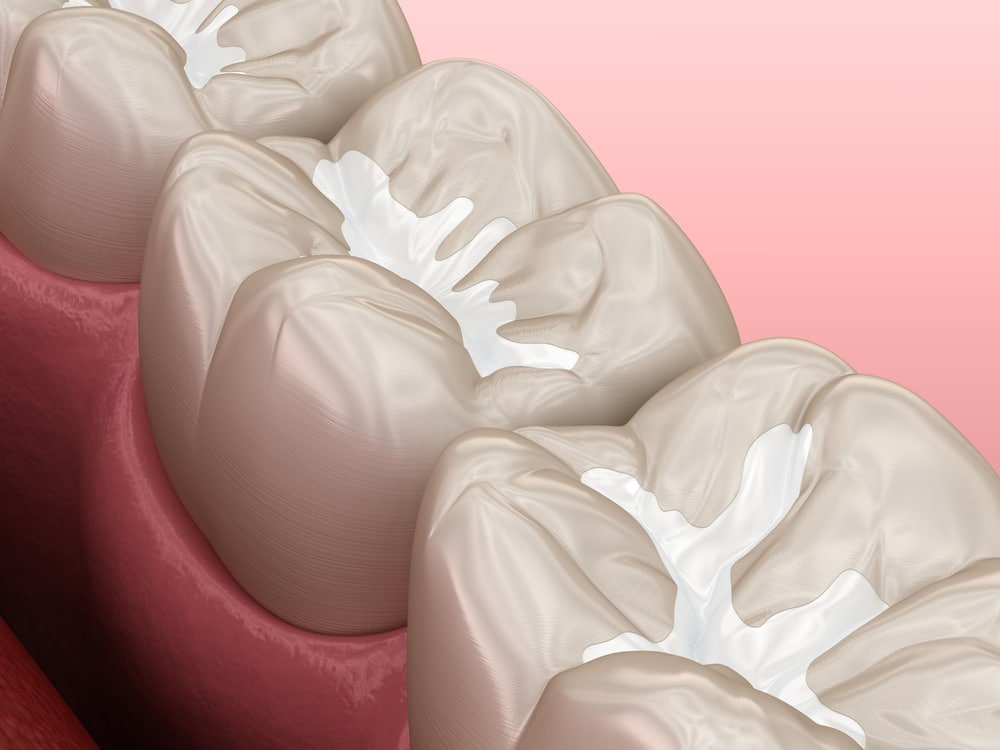
A sealant is a thin, protective coating that adheres to the chewing surface of the tooth. Typically made of plastic or other dental materials, sealants are typically applied to the back teeth only. Although they aren’t a substitute for good dental hygiene (brushing twice daily, flossing once daily, and regular dental check-ups), they can act as a safety net, reducing the likelihood that your teeth will experience decay or develop cavities.
How do dental sealants work?
Dental sealants provide a barrier between your teeth and the cavity-causing bacteria that exist in your mouth. When that bacteria comes in contact with food debris, it produces acids that can create holes in your teeth (also known as cavities). When a dental sealant is applied to the surface of a tooth, it ensures that cavity-causing bacteria can’t climb into the nooks and crannies of your molars.
How long do sealants last?
Your dentist will check the condition of your sealants at your bi-annual appointments. After several years, your dentist will need to reapply your sealants to ensure they keep working effectively.
Who should consider getting sealants?
Anyone with molars can benefit from sealants. Typically, the first molars appear around age 6, and the second molars erupt around age 12. Dentists often recommend sealants for children to ensure that their molars remain cavity-free from the start. However, adults also commonly request sealants to prevent future cavities.
How are sealants applied to the teeth?
The treatment process is quick, simple, and painless. After your teeth have been cleaned and dried, your dentist will apply an acidic gel to the tooth surface to roughen it up. This ensures that the dental sealant will be able to form a strong bond with the tooth. Then, your dentist will rinse off the gel and dry the tooth again. Finally, your dentist will apply the sealant to the grooves of the tooth and use a special blue light to harden it.
Are dental sealants safe?
Yes. Sealants contain a small amount of bisphenol A (BPA), an industrial chemical used to make plastics and resins. BPA is commonly found in food and beverage containers, such as water bottles. However, the amount of BPA will not cause you harm. According to the American Dental Association, children are exposed to more BPA from foods, drinks, sunscreen, shampoo, body wash, cosmetics, thermal paper (such as receipts), and even air than from dental sealants. The benefits of dental sealants far outweigh the risks.
_____
To learn whether dental sealants are a good fit for your smile, talk to your dentist today.
And if you’re looking for an experienced, reliable, and friendly dentist in Springfield, Missouri, contact Keen Smiles Family Dental. Dr. Wilkinson and his team will give you the personalized treatment you deserve using state-of-the-art technology. Schedule your first appointment today by calling 417-708-0556 or request an appointment online. We look forward to hearing from you!