


When to Consider Dental Bonding
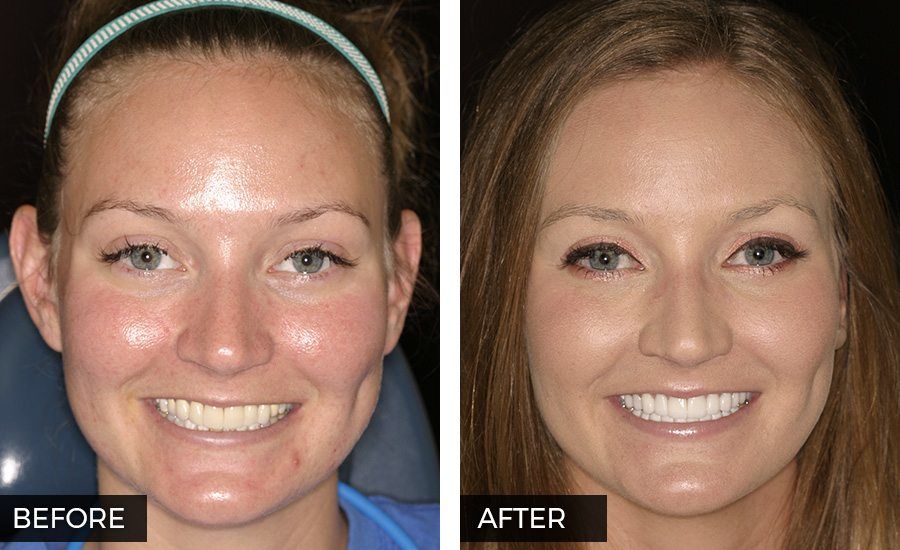
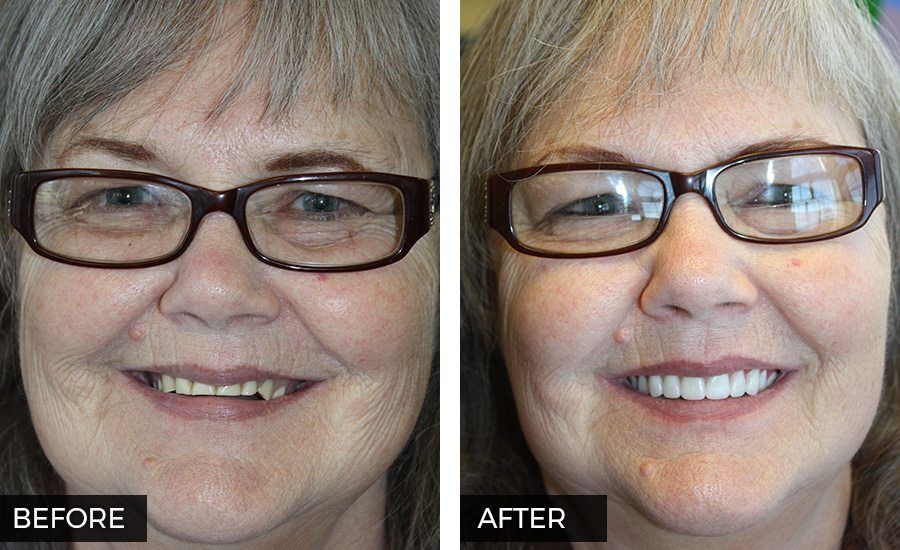
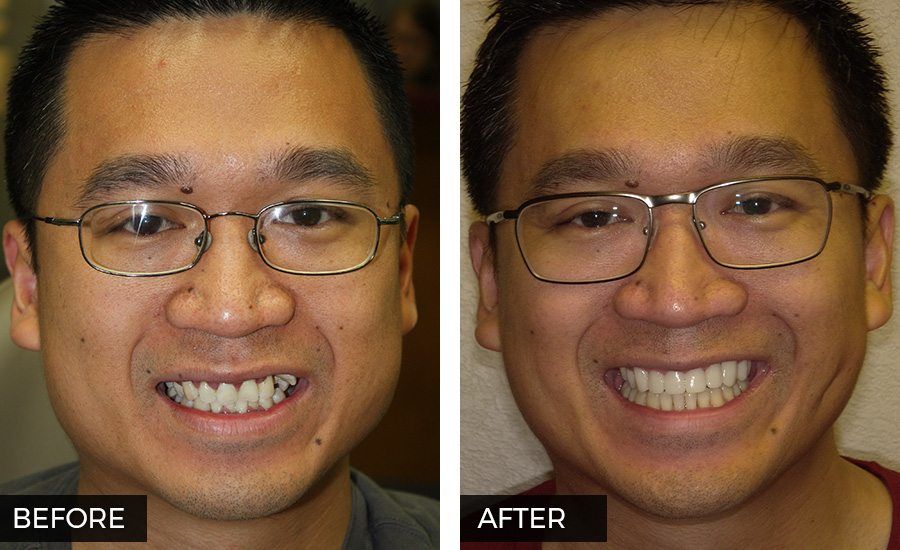
Dental bonding can be used to make a variety of cosmetic improvements to your smile. Consider cosmetic bonding if you’re hoping to achieve any of the following:
- Enjoy a brighter, whiter smile
- Close unwanted gaps between teeth
- Restore teeth that have minor decay
- Repair small cracks, fractures, or chips in teeth
- Camouflage tooth discoloration
- Make your teeth appear longer
- Change the shape of your teeth
Generally, bonding is best suited to minor aesthetic changes in areas with low bite pressure. If you’re not sure if cosmetic bonding is a good option for your specific concern, simply ask us during your next check-up or schedule an appointment. If bonding isn’t a good solution, you might wish to explore veneers, crowns, teeth whitening, or even Invisalign, depending on what you’re hoping to achieve.
The Bonding Process
One of the reasons bonding can often be completed in a single appointment is that very little preparation is needed. For cosmetic procedures, anesthesia is generally unnecessary and minimal enamel must be removed. The process is quick, painless, and straightforward.
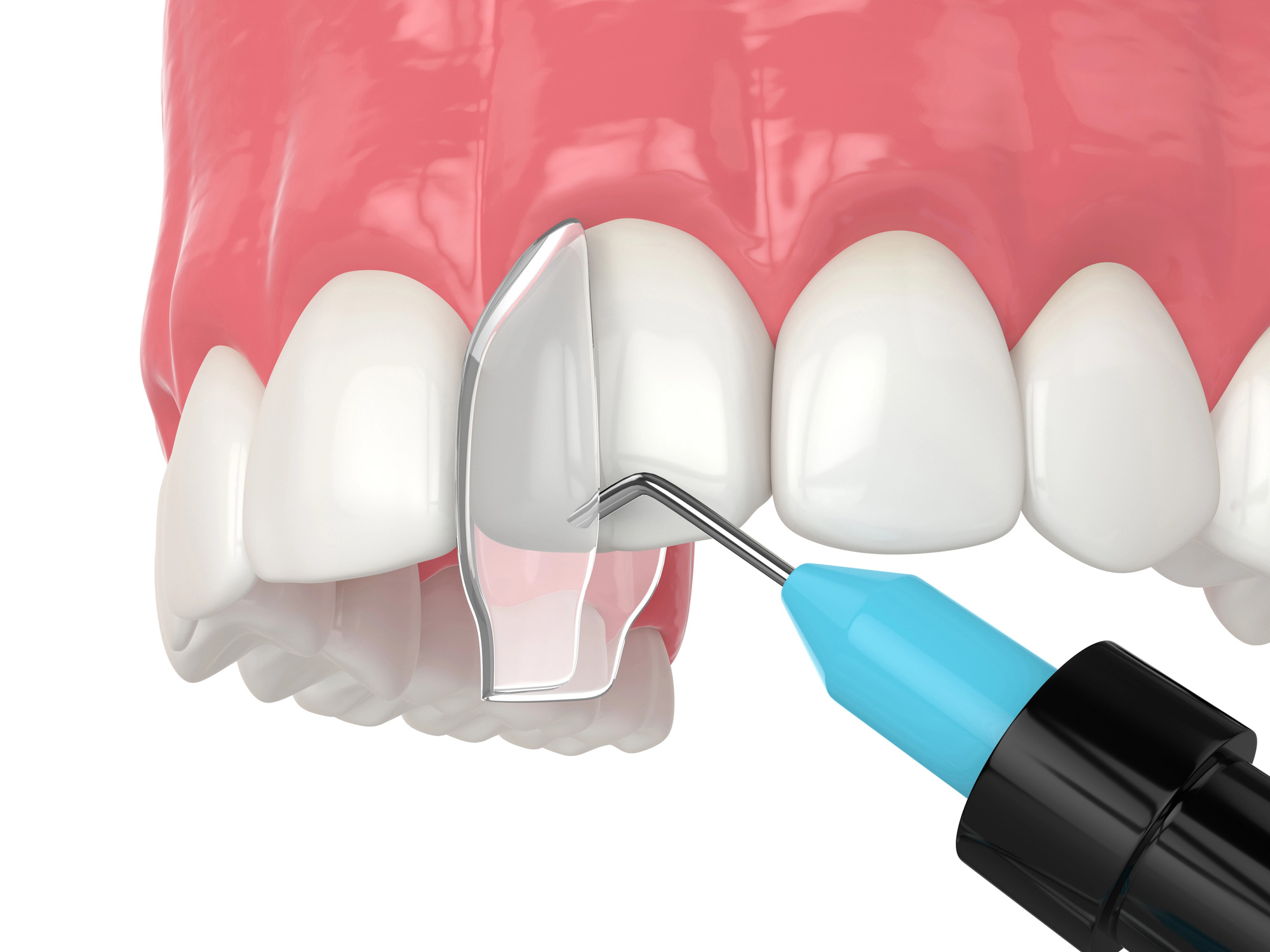
After discussing your goals, your dentist will use a shade guide to select a composite resin that matches the color of your teeth. Then, they will roughen the surface of the tooth and apply a conditioning liquid to help the bonding material adhere to the enamel. Next, they will apply the putty-like resin to your tooth, molding, smoothing, and shaping it into the ideal form. When your dentist is satisfied with the shape, they will harden it using a bright light or laser. Finally, they will trim and polish it as needed to ensure that it looks and feels natural.
All in all, this will take about 30 to 60 minutes per tooth.
What to Expect After Bonding
The composite resin material used in dental bonding is actually the same material used to fill cavities and protect roots exposed by gum recession, so you can feel confident that it’s a reliable, long-lasting option. The bonding material will last between 5 and 10 years before it needs to be touched up or replaced.
To care for a tooth with dental bonding, simply maintain a good at-home oral health routine. Brush twice a day, floss once a day, and schedule a check-up every six months.
Although the resin material used during bonding is somewhat stain-resistant, it may become stained over time if you neglect your oral hygiene. Otherwise, your tooth will function like all your other teeth — in fact, you’ll probably forget that it’s been treated!